

rectangular led bathroom mirror
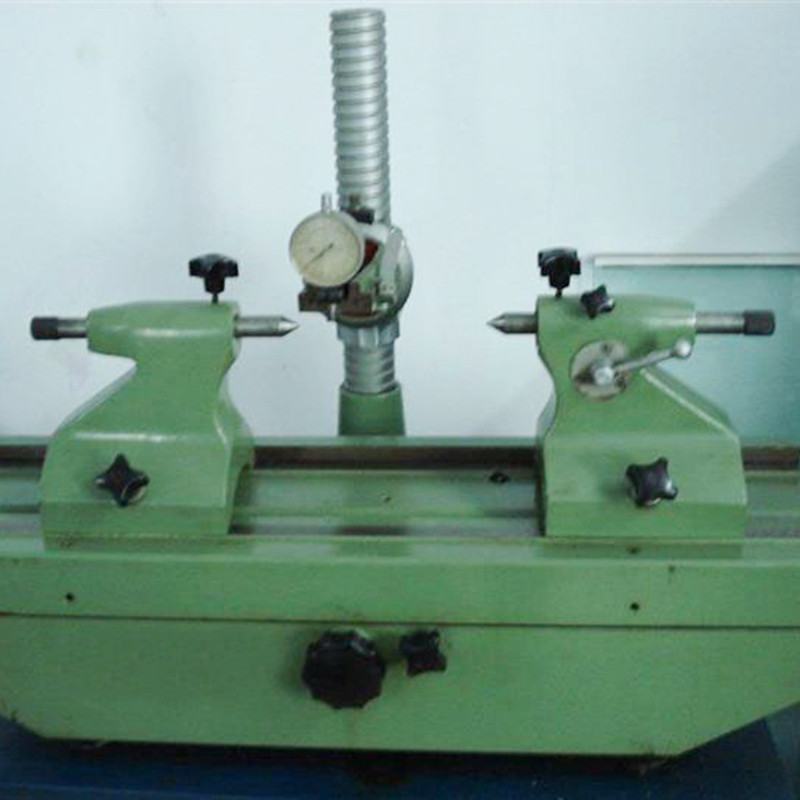
Understanding Plug Gauges Essential Tools for Precision Engineering In the realm of precision engineering and manufacturing, ensuring the correct dimensions of machined parts is paramount. One of the critical tools employed in this process is the plug gauge. Designed for checking the internal dimensions of holes and bores, plug gauges are integral to quality control and assurance in various industries, including automotive, aerospace, and electronics. What is a Plug Gauge? A plug gauge is a cylindrical measuring device used to verify the dimensional accuracy of holes. Typically made from high-grade steel, these gauges can be classified into two primary types Go gauges and No-Go gauges. The Go gauge is slightly smaller than the specified hole diameter, ensuring that it can fit into the hole if it is within the acceptable tolerance range. Conversely, the No-Go gauge is slightly larger, designed to ensure that if it does fit, the hole is out of specification. Types of Plug Gauges 1. Plain Plug Gauges These are the simplest form of plug gauges, used for basic inspections of hole diameters. 2. Tapered Plug Gauges These gauges have a tapering design that allows them to check not only the diameter but also the conformance of the shape and size over a distance. 3. Adjustable Plug Gauges These are used when a more precise measurement is required. They can be adjusted to different sizes, offering flexibility for various dimensions. 4. Specialty Plug Gauges Custom-made plug gauges are designed for specific applications, such as checking unique hole shapes or sizes in specialized components . Importance of Plug Gauges plug gauge The accuracy and precision of products depend significantly on the effectiveness of the measurement tools used during the manufacturing process. Plug gauges play a vital role in ensuring that parts fit together as intended, which is especially important in assemblies where multiple components are combined. If parts do not meet specified tolerances, it can lead to assembly issues, increased production costs, and even failures in the final product. Moreover, the use of plug gauges contributes significantly to the efficiency of the manufacturing process. By implementing these gauges, manufacturers can conduct quick inspections of parts, minimizing downtime and streamlining production. This efficiency is crucial in today’s fast-paced manufacturing environment, where speed and accuracy directly impact competitiveness in the market. How to Use Plug Gauges Using a plug gauge effectively requires a clear understanding of tolerances and specifications. Operators must first verify that the gauge is calibrated and in good condition. The process generally includes the following steps 1. Insert the Go Gauge The operator places the Go gauge into the hole. If it fits, it indicates that the hole is within the minimum allowable size. 2. Insert the No-Go Gauge Next, the No-Go gauge is inserted. If the No-Go gauge fits, it signals that the hole exceeds its maximum allowable size, which means it is out of tolerance. 3. Record Measurements Any discrepancies found during the measurement process should be recorded for quality assurance tests, enabling manufacturers to address issues promptly. 4. Routine Maintenance Regular calibration and maintenance of plug gauges ensure their accuracy and prolong their lifespan. Conclusion Plug gauges are indispensable tools in precision manufacturing, playing a crucial role in quality control and assurance. Their straightforward design and functionality make them reliable instruments for ensuring that parts meet specified tolerances. The use of plug gauges not only enhances the accuracy of measurements but also promotes operational efficiency in the manufacturing process. As industries continue to evolve and demand higher precision, the importance of plug gauges in maintaining quality standards will undoubtedly grow. By investing in proper usage and maintenance of these tools, manufacturers can ensure the longevity and performance of their products in a competitive marketplace.
about
rectangular led bathroom mirror
Understanding Level Suppliers in Supply Chain Management In today’s globalized economy, the concept of suppliers plays a crucial role in the success and efficiency of any business. Among the various categories of suppliers, level suppliers are particularly significant, as they represent different tiers in the supply chain. Understanding level suppliers, their roles, and how they impact businesses is essential for anyone involved in supply chain management. What are Level Suppliers? Level suppliers are categorized based on their proximity to the manufacturer or end-user in the supply chain. They are often classified into three levels 1. First-Tier Suppliers These are direct suppliers who provide materials or components to manufacturers. For instance, if a car manufacturer sources tires directly from a tire manufacturer, the tire supplier is considered a first-tier supplier. 2. Second-Tier Suppliers These suppliers provide products or materials to first-tier suppliers. Using the car manufacturing example, if the tire manufacturer sources rubber from a rubber processor, that rubber processor is a second-tier supplier. 3. Third-Tier Suppliers Often further removed from the end manufacturer, these suppliers provide raw materials or components to second-tier suppliers. In our example, if the rubber processor sources natural rubber from plantations, then those plantations constitute third-tier suppliers. This tiered system helps businesses manage their relationships with suppliers more effectively, allowing them to understand the complexities of their supply chains and the interconnections between different supplier levels. Importance of Level Suppliers 1. Cost Management By identifying and managing levels of suppliers, businesses can better control costs. First-tier suppliers may charge more for their goods, but they often provide higher quality or more specialized products. By examining the entire supply chain, companies can find ways to reduce costs without sacrificing quality. level supplier 2. Quality Assurance The level of a supplier often directly impacts the quality of the finished product. Manufacturers must ensure that not only first-tier suppliers meet quality standards but also that second- and third-tier suppliers do as well. This can be achieved through supplier audits and assessments, ensuring that quality is maintained throughout the supply chain. 3. Risk Management Understanding supplier levels aids in risk management. Disruptions can occur at any level of the supply chain, so being aware of the entire network of suppliers helps businesses prepare for potential issues. For example, if a natural disaster impacts third-tier suppliers, it may affect first-tier suppliers, and consequently, the manufacturer. Being aware of these levels allows companies to diversify their supplier base, reducing dependency on single suppliers and mitigating risk. 4. Improving Collaboration Effective collaboration with suppliers at all levels can lead to innovation and improved processes. By fostering strong relationships with first, second, and third-tier suppliers, companies can encourage new ideas and solutions, leading to enhanced products and services. 5. Sustainability As sustainability becomes increasingly important in today’s market, companies must consider the practices of their suppliers at all levels. Understanding where materials come from allows firms to ensure they are sourcing sustainably, thereby improving their overall environmental impact. Challenges in Managing Level Suppliers While the benefits of managing level suppliers are numerous, challenges do exist. Communication can become complex as the number of supplier tiers increases, and ensuring compliance with standards at all levels can be difficult. Additionally, businesses often struggle with transparency in their supply chains, making it hard to track the origins of materials and the practices of all suppliers involved. Moreover, geopolitical issues, trade policies, and fluctuating market conditions can further complicate supplier relationships. Adopting technologies such as blockchain can help improve transparency and traceability in the supply chain, but these innovations also require investment and training. Conclusion In conclusion, understanding level suppliers is vital for creating an efficient and resilient supply chain. By categorizing suppliers, businesses can better manage costs, quality, risks, and sustainability practices. While challenges exist, the benefits of effectively managing level suppliers far outweigh the potential drawbacks. As the business landscape continues to evolve, organizations that prioritize and streamline their relationships with suppliers at all levels will be better positioned to thrive in an increasingly competitive environment.
-

High quality industrial productsagement

High quality industrial products
View Details -

Meet the diverse needs of customers

Meet the diverse needs of customers
View Details -

Strict quality control

Strict quality control
View Details -

Top raw materials

Top raw materials
View Details -

Trusted supplier

Trusted supplier
View Details
Our application

news and information
Vanne de contrôle à boule de 4 pouces
La vanne à clapet de 4 pouces un élément essentiel pour la régulation des fluides La vanne à clapet

Water Control Solutions for Efficient Valve Management in Plumbing Systems
The Importance of Valve Water Management in Industrial Applications In various industrial operations
zes procent vlinderklep met actuator voor optimale prestaties en efficiëntie
De 6% Vlinderklep met Actuator Efficiëntie en Betrouwbaarheid in Regeltechniek In de wereld van rege
 English